
Une eau plus pure, pour une maison plus saine.
Nous sélectionnons des filtres sud-coréens reconnus pour améliorer la qualité de l’eau dans l’ensemble de la maison.
Le filtre multi-usages se fixe à différents points d’arrivée d’eau — douche, machine à laver, tuyauterie ou robinetterie — afin de capturer impuretés, sédiments et particules.
Le petit filtre, idéal pour la cuisine ou la salle de bain, purifie l’eau au plus près de l’usage quotidien : soins du visage, lavage des mains ou préparation des aliments.
Ces filtres contribuent à un environnement plus sain, plus sûr et plus confortable au quotidien.
Filters
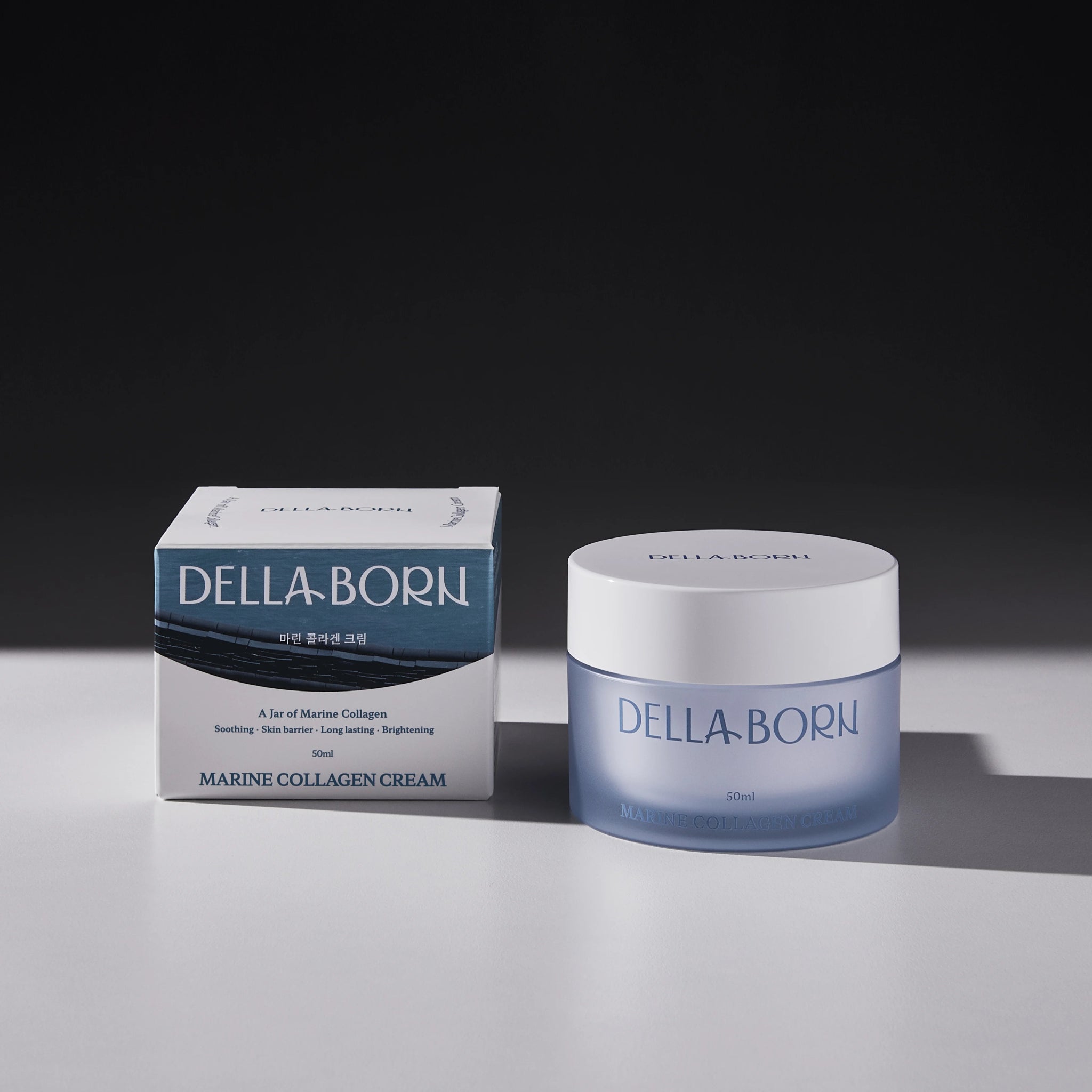
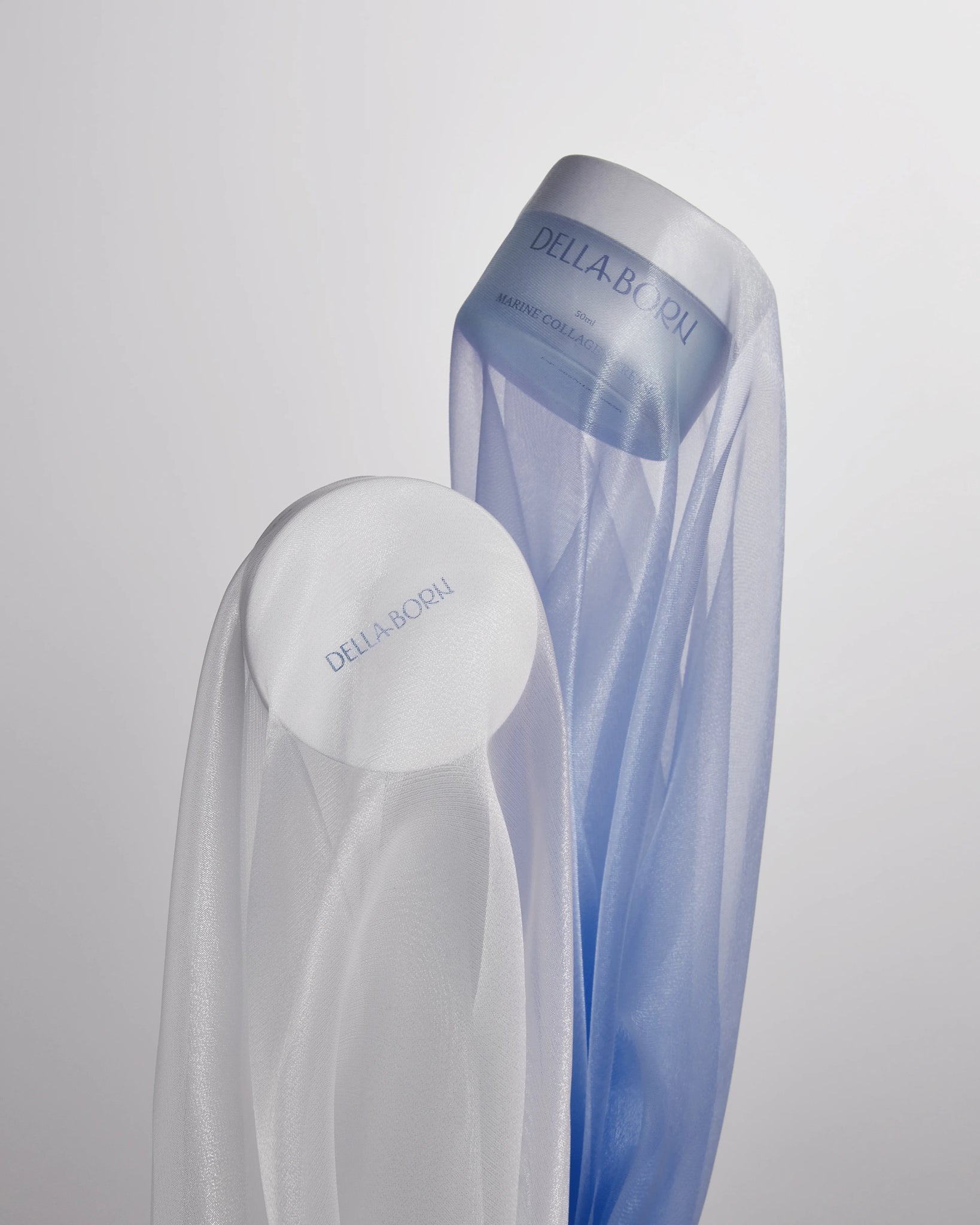
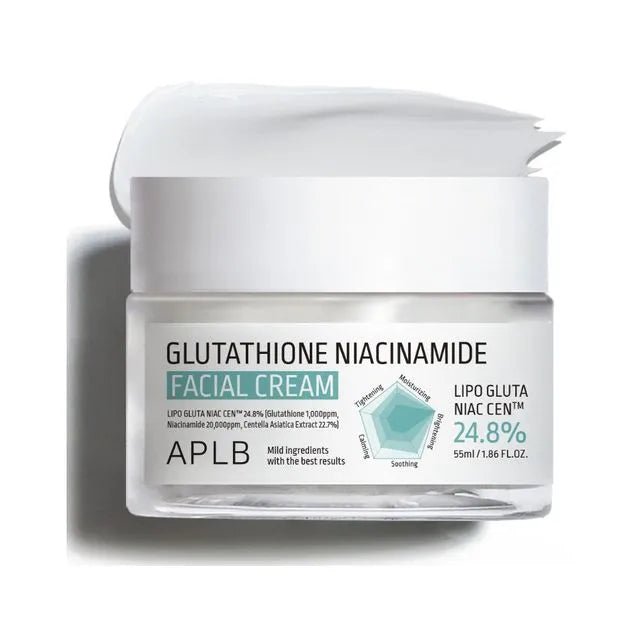
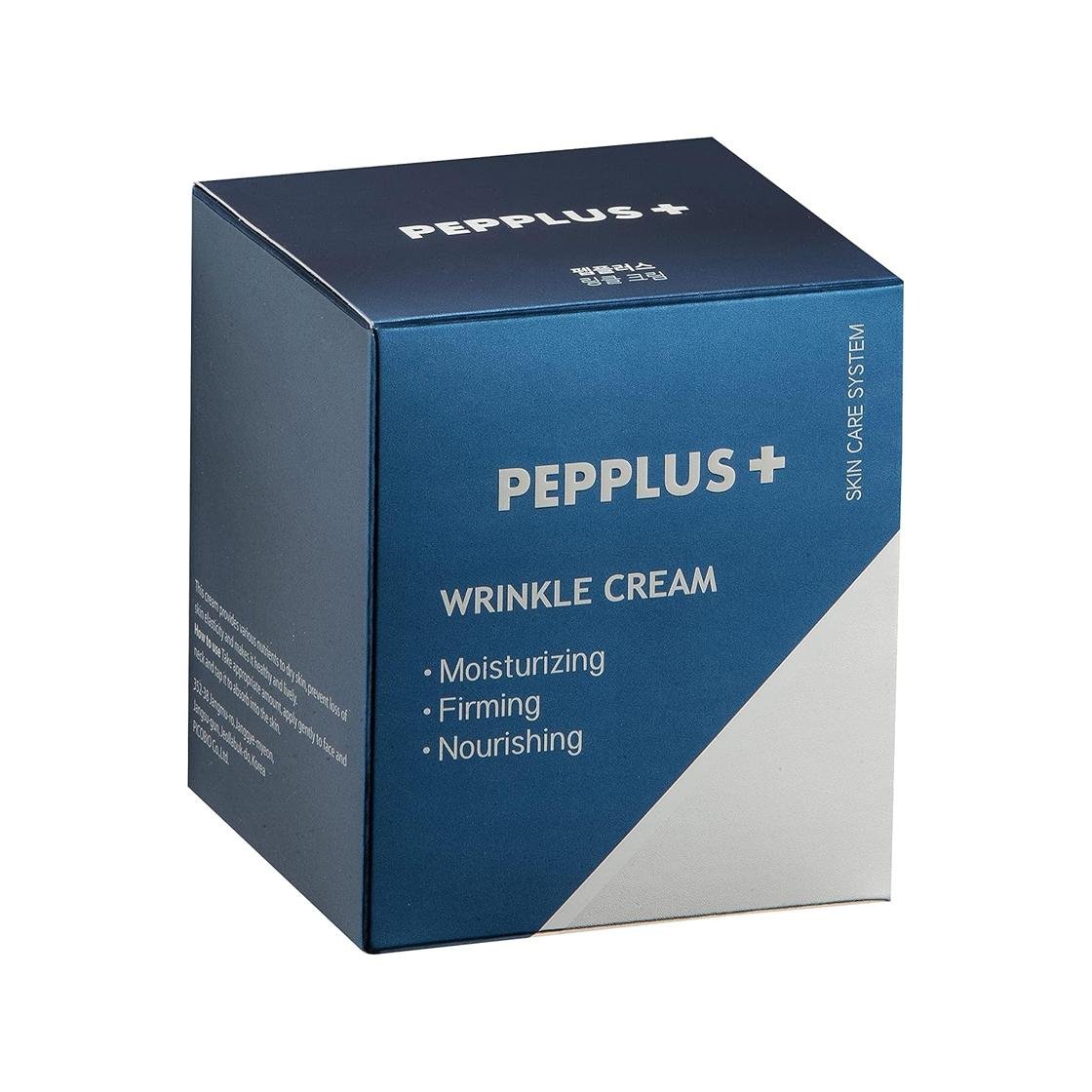
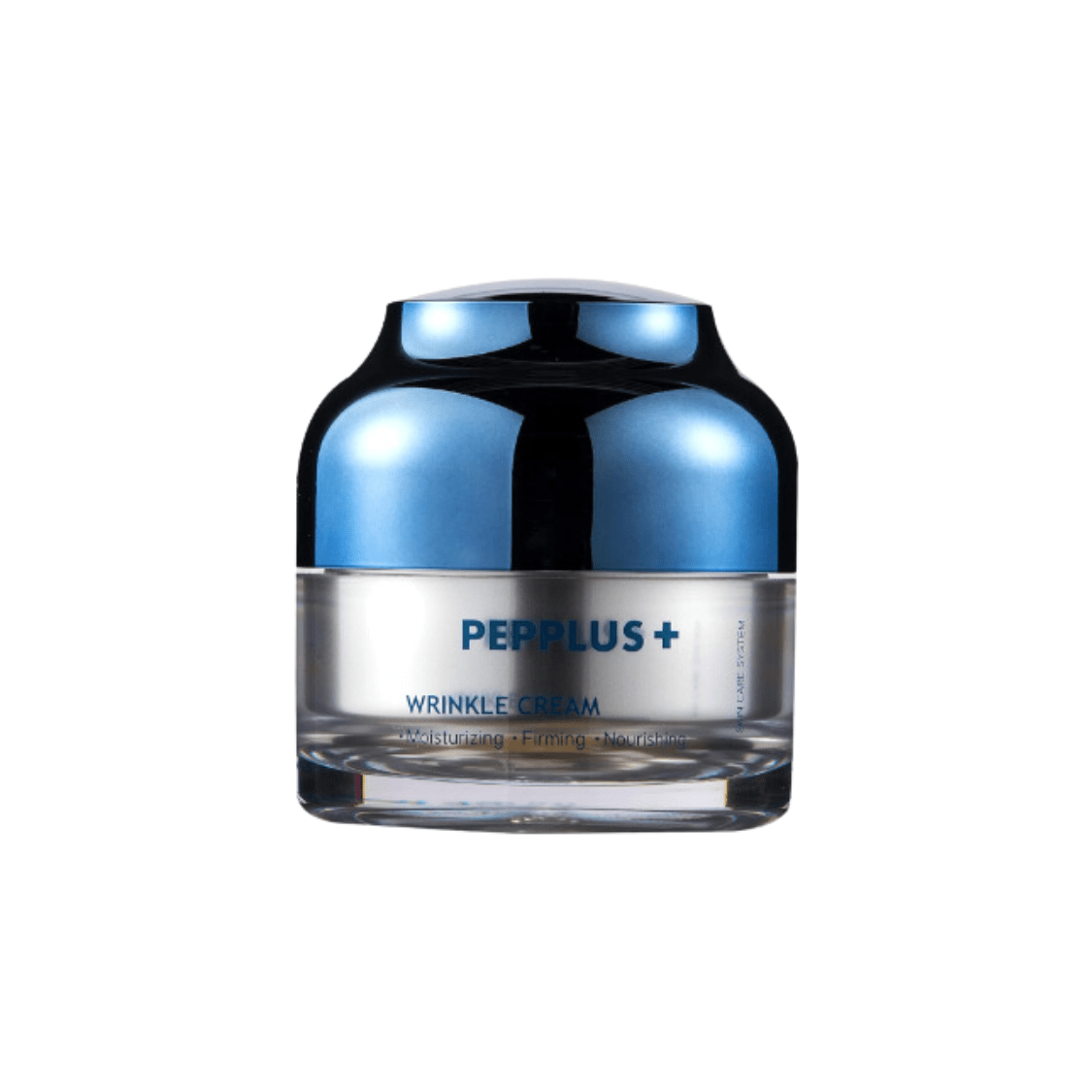
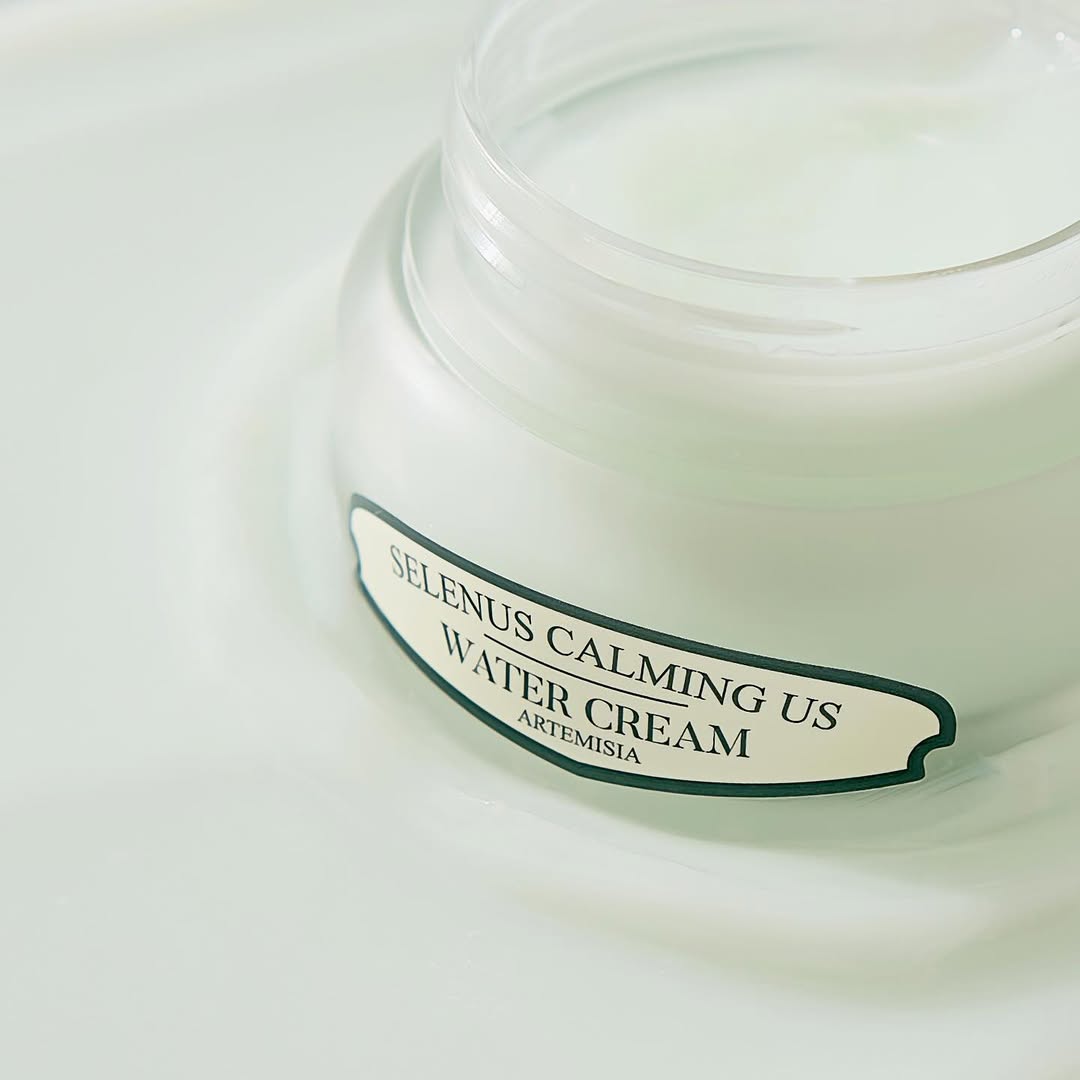
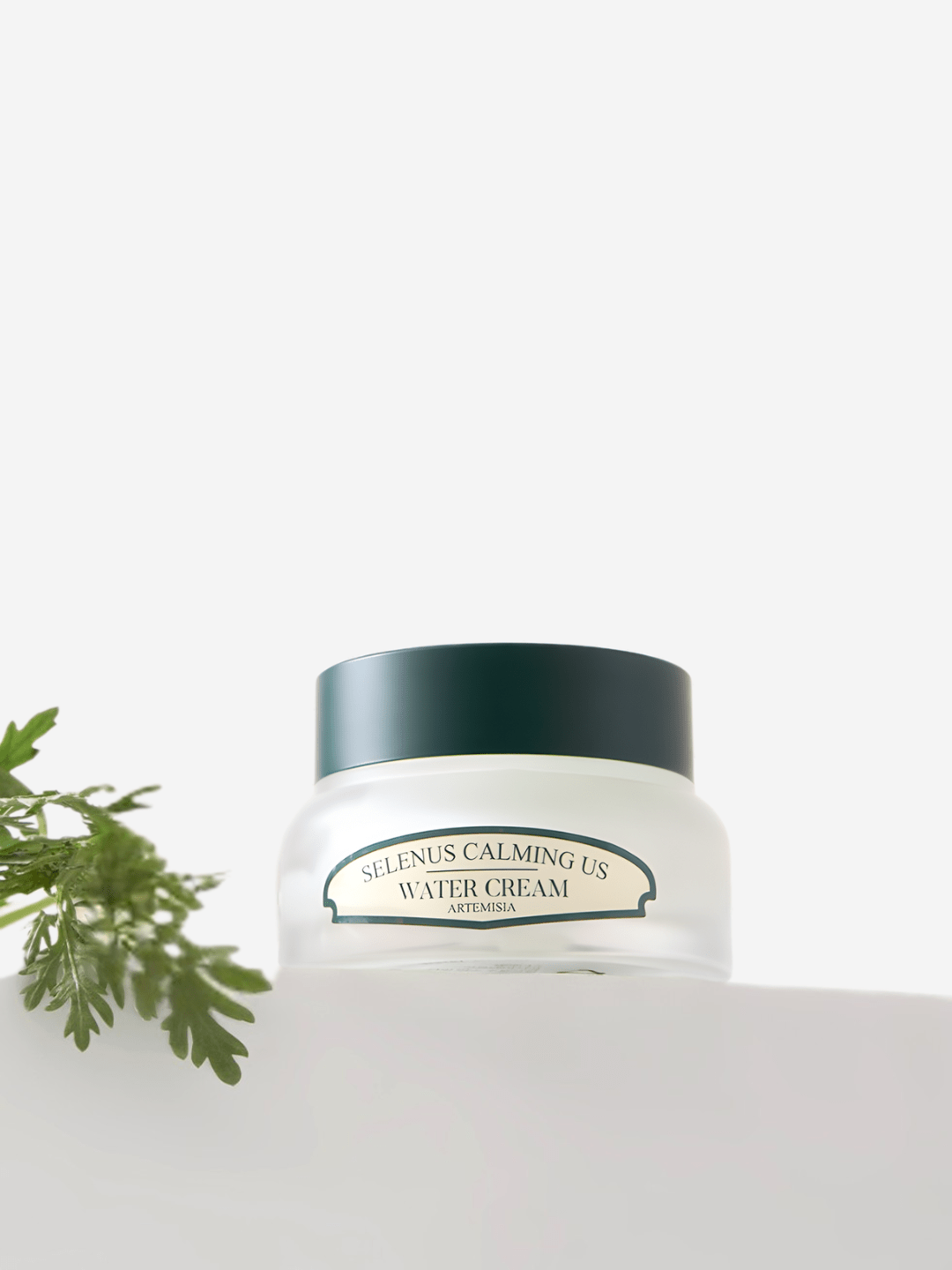
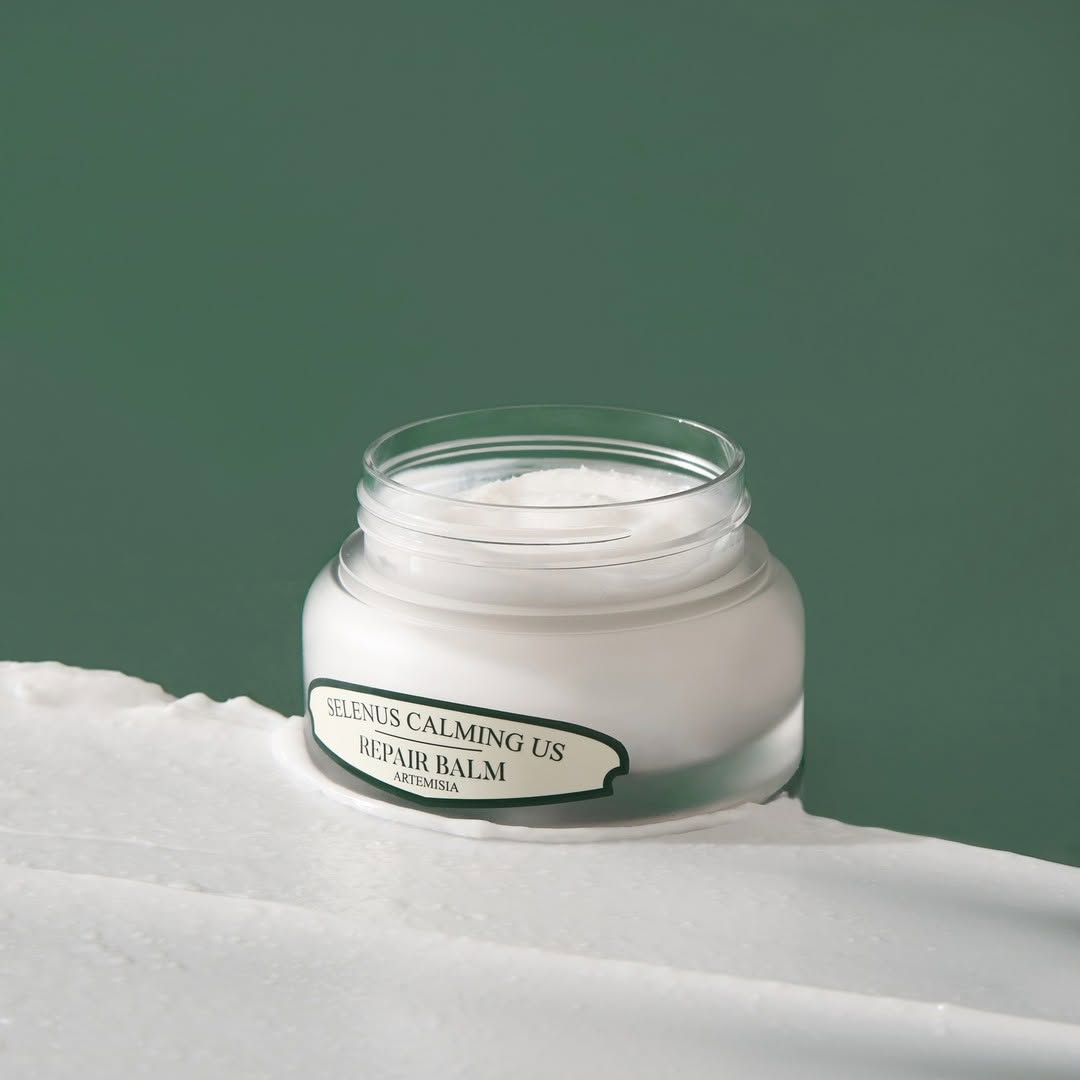
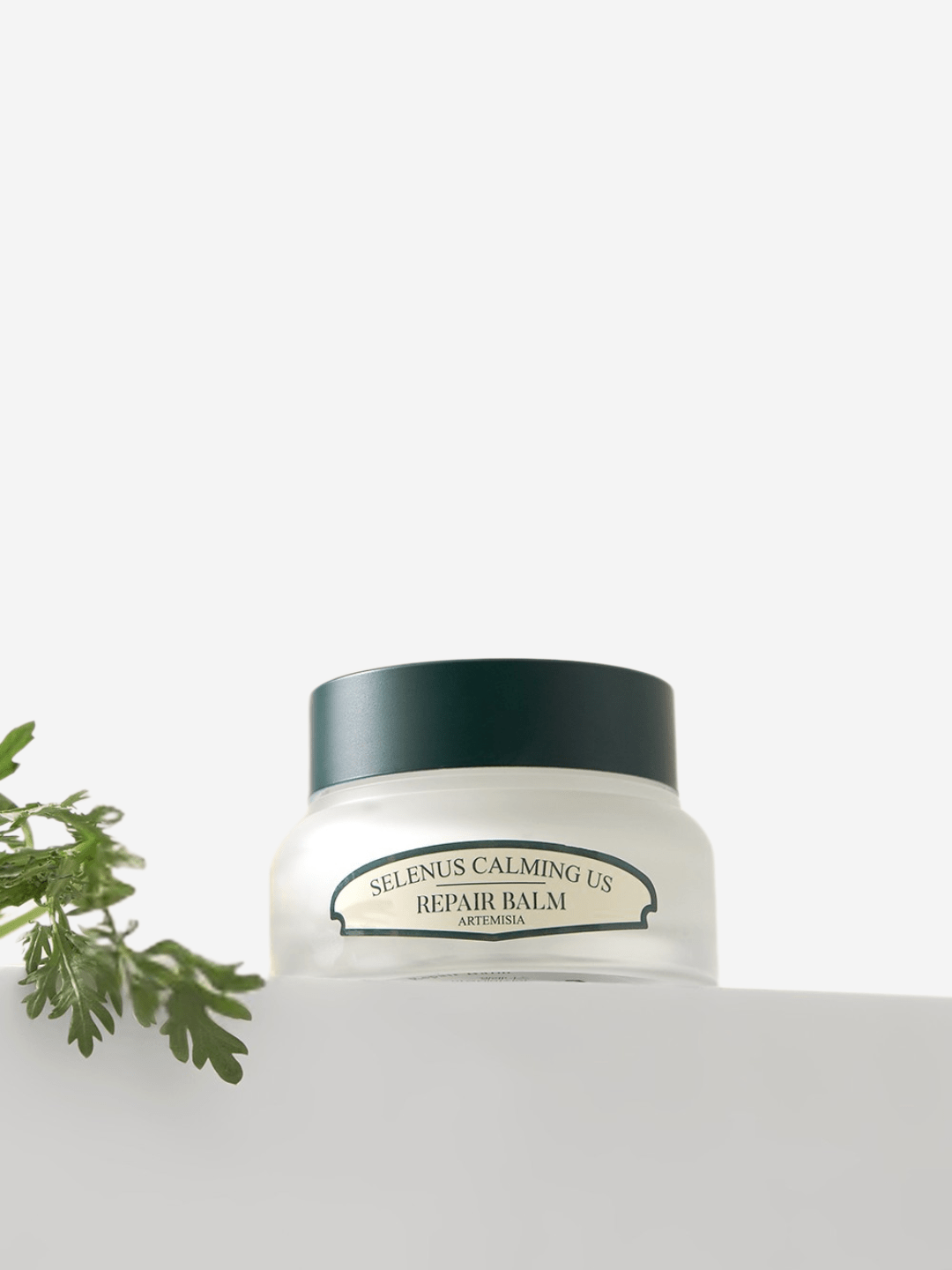
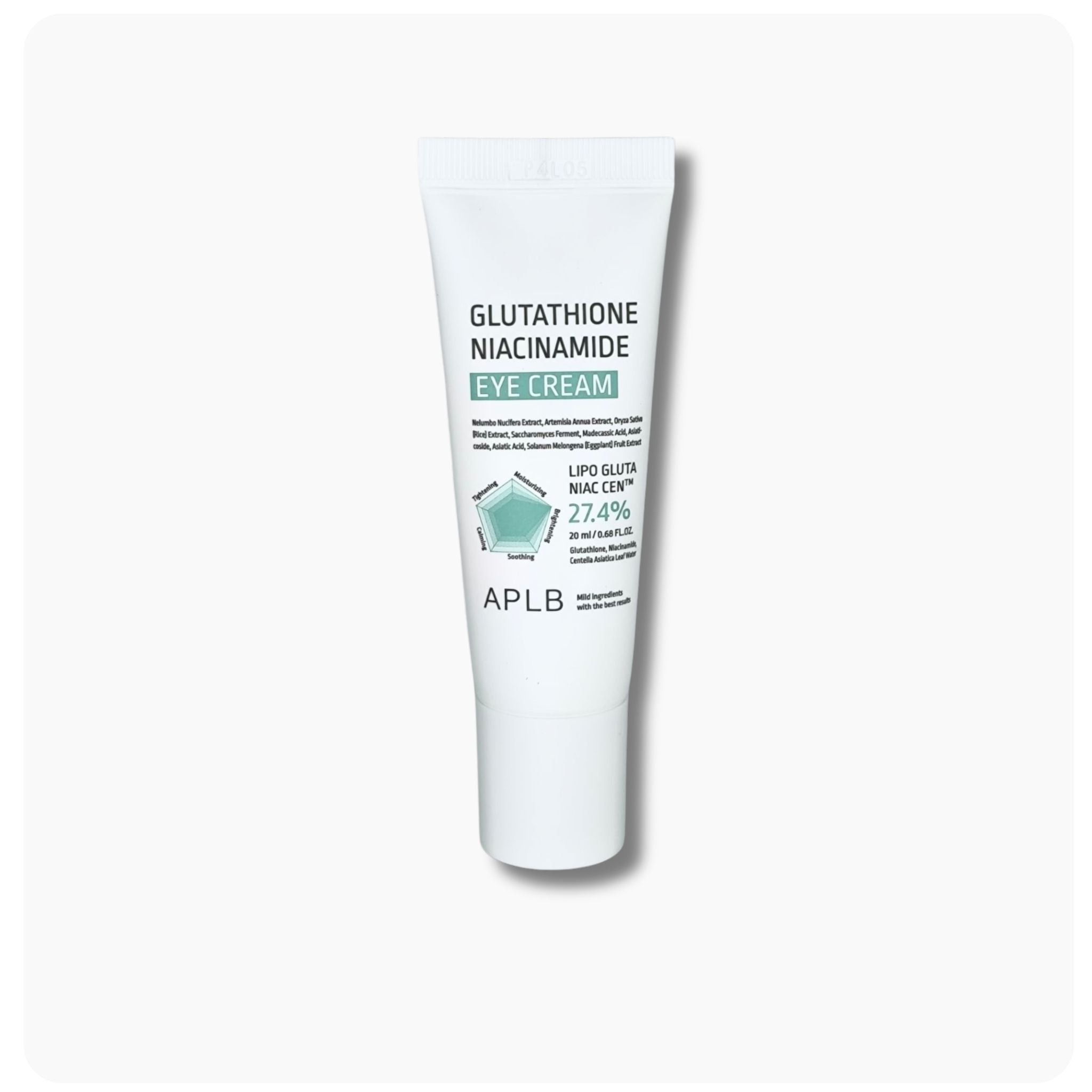
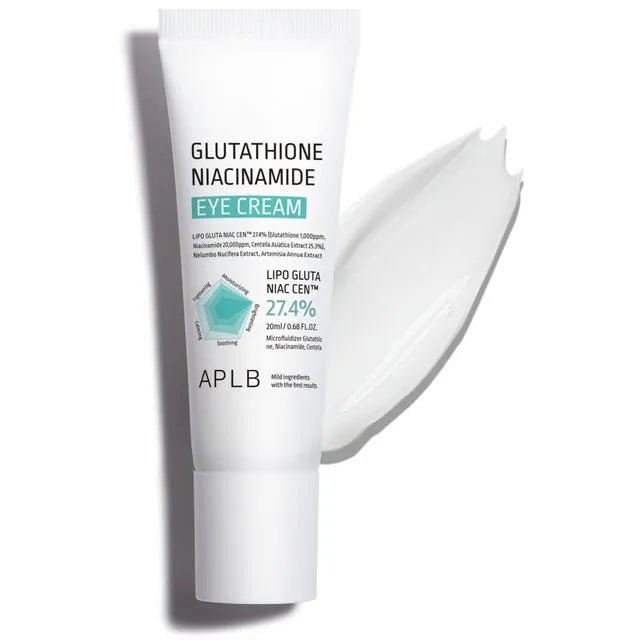
Cream: the final step in the Korean skincare ritual
The cream seals in moisture, protects the skin barrier , and prolongs the effects of the active ingredients applied beforehand. A well-chosen Korean cream doesn't overload the skin: it applies easily and leaves skin supple and comfortable, morning and night.
If your skin is sensitive or fragile, start with a gentle cream suited to your skin type and focus on the essentials: hydration and protection. You can gradually reintroduce serums and other active ingredients as your skin regains balance and comfort.
It is important to distinguish between hydrating and nourishing : hydrating provides water through humectants ( glycerin , hyaluronic acid ), while nourishing restores protective lipids ( ceramides , squalane ) to limit water evaporation.
In practice, after applying lotion and serum, apply your Korean cream to seal in moisture and active ingredients without weighing down the skin. In the morning, opt for a light formula, and in the evening, adjust the amount and texture according to the season and your needs.
Choose your cream according to your skin type (and the season).
Dry skin : Opt for long-lasting comfort and rich, enveloping textures based on ceramides, light oils, or plant butters. A cream for dry skin soothes tightness and provides intense nourishment. A small amount is all you need; apply in targeted dabs to the areas that need it most.
Combination skin : Find the balance between freshness and softness by applying a light emulsion to the T-zone and a little more product to the cheeks when they feel dehydrated. A cream for combination skin should offer a clean feel and lasting comfort, without any heaviness. For intense hydration, a hyaluronic acid cream restores plumpness without weighing down the skin.
Oily skin : The goal is to hydrate without clogging pores. Opt for light, non-comedogenic gels, which provide discreet and consistent comfort, unlike rich balms. A well-chosen cream for oily skin also helps the skin better tolerate active ingredients ( niacinamide, PHA) while maintaining a clean finish.
Sensitive skin : Opt for short, fragrance-free formulas enriched with panthenol or centella asiatica . Creams formulated for sensitive skin will have soothing properties, designed to reduce redness and tightness .
Blemish-prone skin : Take a gentle approach, introducing one active ingredient at a time. Start by stabilizing hydration and focus on rebuilding the skin barrier . An anti-acne cream should remain lightweight, breathable, and compatible with these treatments. While your skin is reacting, simplify your routine, then gradually rebuild it.
As the seasons change, vary the density of your product rather than layering too many products. Opt for a light emulsion in summer and a slightly richer cream in winter. A well-chosen Korean cream will feel weightless in moments, leaving skin supple, even-toned, and ready for makeup or a good night's rest.
Useful ingredients and application techniques
For daily hydration, a Korean moisturizing cream is often sufficient to retain water in the surface layer and maintain the skin's supple texture. If your skin absorbs products quickly, combine your cream with a humectant serum containing, for example, hyaluronic acid. The synergy between a serum and a cream is more effective than layering too many products. Those seeking preventative care might consider a Korean anti-wrinkle cream (containing peptides, adenosine, and antioxidants): apply it regularly in the evening, rather than as a quick treatment.
The application technique is just as important as the formula. After your toner, apply a small amount of Korean cream to slightly damp skin; gently smooth it from the center of your face outwards, without rubbing. Quantity is key: a little, evenly distributed, is better than too much, which is poorly tolerated. In the morning, use a light touch before applying sunscreen; in the evening, adjust your application according to the weather (heating, wind, dry air). When traveling or at the gym, keep it simple: gentle cleanser, Korean cream , SPF.
In short, choose a Korean cream for what it truly does: maintain hydration, support the skin barrier, and simplify your routine. Adjust the texture to suit your needs, use a light touch in the morning, a more consistent one at night, and let your skin be the judge.
FAQ — Hydration & Cream
1) How can I tell if my skin lacks water or lipids?
If your skin is dehydrated, you'll experience temporary tightness, fine surface lines, and a return of comfort after applying a water-based lotion. If it's dry due to a lack of lipids, the discomfort is more persistent, the skin may flake, have a rough texture, and require more nourishing textures. It's perfectly possible to have both: start by hydrating your skin (with a lotion or serum), then seal it in with a cream enriched with ceramides or light oils.
2) Can I use the same cream morning and night?
Yes, if it suits your skin. In the morning, apply a thin layer and then add your sunscreen on top. In the evening, adjust the amount according to the season and your skin's needs. If your skin barrier is irritated, simplify your routine for a few days with a gentle cleanser and a soothing cream, then gradually reintroduce your active ingredients.
3) Where do hyaluronic acid, retinol, and niacinamide fit into the routine?
After cleansing and toning, apply your serums (hyaluronic acid, niacinamide, retinol, depending on your skin's tolerance). The cream then seals in these active ingredients and improves skin comfort. Introduce one active ingredient at a time, observing for 10–14 days before adding the next.
4) How long does it take to see the results?
- For hydration and comfort, the effects are often visible in 1 to 3 days.
- For skin radiance and texture, allow 2 to 4 weeks.
- For signs of aging or irregularities, several skin cycles must be observed.
The key is not the number of steps, but regularity: a simple ritual applied every day is better than a complex but irregular routine.